Ideal Logic Combi 30 Installation Manual: Article Plan
This detailed plan outlines a comprehensive guide for installing the Ideal Logic Combi 30, covering safety, setup, operation, and troubleshooting procedures for optimal performance.
The Ideal Logic Combi 30 is a highly efficient and reliable condensing combination boiler, designed to provide both central heating and domestic hot water. This manual serves as a crucial resource for installers and end-users alike, ensuring correct installation, safe operation, and optimal performance. Understanding its features and following these instructions will maximize efficiency and longevity. Congratulations on selecting this advanced heating solution, and welcome to a world of comfortable, controlled warmth. Proper installation is paramount for safety and efficiency.
Safety Precautions
Prioritizing safety during installation and operation is crucial. This boiler handles gas and high temperatures, demanding strict adherence to safety guidelines. Always disconnect gas and electrical supplies before maintenance. Ensure adequate ventilation to prevent carbon monoxide buildup. Qualified personnel must perform installation and servicing. Never obstruct ventilation pathways. Regularly check for gas leaks. Familiarize yourself with error codes and emergency shutdown procedures. Ignoring these precautions could result in serious injury or property damage.
General Safety Guidelines
Before commencing any work, read this manual thoroughly. Wear appropriate personal protective equipment (PPE), including safety glasses and gloves. Maintain a clean and organized work area. Ensure the installation location meets all regulatory requirements. Keep children and pets away from the boiler during installation and operation. Always follow local codes and standards. Do not modify the boiler in any way. Regularly inspect all connections for leaks or damage. Prioritize a safe working environment.
Gas Safety Warnings
Gas installations must be performed by a qualified and Gas Safe registered engineer. Never attempt to repair or modify gas components yourself. Before starting, ensure the gas supply is completely shut off and properly isolated. Always use gas-tight connections and appropriate sealing compounds. Check for gas leaks using a suitable leak detection fluid after connections are made. Ensure adequate ventilation to prevent carbon monoxide buildup. Report any gas smells immediately.
Unboxing and Component Check
Carefully unpack the Ideal Logic Combi 30 and verify all components are present. Refer to the package contents list to confirm you have the boiler unit, flue accessories, mounting bracket, and all necessary fixings. Inspect each item for any signs of damage during transit. Report any damage immediately to your supplier. Retain the original packaging for potential returns or servicing. A thorough check prevents installation delays.
Package Contents List

The Ideal Logic Combi 30 package should include: one Combi 30 boiler unit, a flue elbow and terminal, a mounting bracket with fixings, time-saving pre-formed copper tails, a documentation pack (installation guide, user manual, and warranty details), and a combi conversion kit if applicable. Ensure all listed items are present before proceeding. Missing components must be reported to the retailer immediately to avoid installation issues.
Identifying Key Components
Key components include: the boiler casing protecting internal parts, the gas valve controlling gas flow, the fan ensuring proper combustion, the heat exchanger transferring heat to water, the pump circulating water, and the PCB (Printed Circuit Board) managing boiler functions. Familiarize yourself with these parts – understanding their location and purpose is crucial for successful installation and future maintenance. Refer to diagrams in the manual for visual aid.
Installation Requirements
Proper installation demands adherence to specific requirements. A suitable gas supply with correct pressure is vital, alongside appropriate pipe sizing. Electrical supply must meet the boiler’s voltage and fuse rating, with a dedicated circuit. Adequate ventilation is non-negotiable, ensuring safe combustion and preventing carbon monoxide buildup. Confirm compliance with local building regulations and gas safety standards before commencing installation.
Gas Supply Requirements
The Ideal Logic Combi 30 requires a gas supply conforming to current regulations. Natural Gas (G20) or LPG (G31) are acceptable, but conversion kits are necessary for LPG. Ensure the gas supply pressure is within the specified range – typically 20 mbar for natural gas. Pipe sizing must be adequate to deliver the boiler’s gas rate without pressure drop. A gas isolation valve is mandatory for maintenance and emergencies.
Electrical Supply Requirements
The Ideal Logic Combi 30 demands a 230V/50Hz electrical supply, connected via a suitably fused spur complying with IET regulations. A dedicated circuit is highly recommended to prevent overloading. The boiler’s electrical consumption is approximately 120W during operation. Ensure proper earthing and bonding are in place for safety. A qualified electrician must perform all electrical connections, adhering to local building codes.
Mounting the Boiler
Securely mounting the Ideal Logic Combi 30 is crucial for safe and efficient operation. Choose a stable, level wall capable of supporting its weight (approximately 30kg). Use the supplied mounting bracket and appropriate fixings for the wall type. Maintain clearances around the boiler for servicing and ventilation. Ensure adequate access for future maintenance. Double-check bracket stability before proceeding with connections.
Wall Mounting Procedure
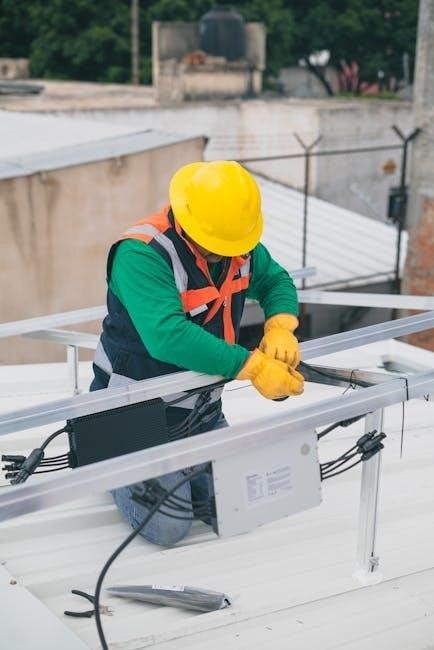
Begin by marking the bracket position on the wall, ensuring it’s level. Drill pilot holes appropriate for the wall material and insert wall plugs. Securely attach the mounting bracket using the provided screws. Carefully lift the boiler onto the bracket, ensuring it slots firmly into place. Verify the boiler is stable and doesn’t wobble. Double-check all fixings are tightened correctly for a secure installation.
Ensuring Proper Ventilation
Adequate ventilation is crucial for safe operation. Confirm the installation location meets the boiler’s ventilation requirements, as specified in the manual. Ensure air vents are unobstructed and free from debris. Do not block or restrict any ventilation openings. Regularly inspect the flue and air intake for any obstructions. Proper airflow prevents carbon monoxide buildup, safeguarding occupants’ health and ensuring efficient combustion.
Plumbing Connections
Carefully connect the gas and water supplies to the Ideal Logic Combi 30, adhering strictly to local regulations. Use appropriate, certified plumbing fittings and ensure tight seals to prevent leaks. Install a sediment filter on the cold water inlet. Properly connect the condensate drain to a suitable waste outlet. Thoroughly flush the system to remove debris before operation. Regularly inspect all connections for leaks and corrosion.
Connecting the Gas Supply
Ensure the gas supply is turned off before connecting. Use a qualified Gas Safe registered engineer for this critical step. Employ appropriate gas pipework, compliant with regulations, and seal all joints with approved jointing compound. Check for gas leaks using a suitable leak detection fluid after connection. Purge the gas pipework to remove air before ignition. Adhere to the boiler’s gas connection requirements precisely.
Connecting the Water Supply
Isolate the cold water supply before commencing. Utilize appropriate sized copper pipework, conforming to WRAS regulations. Install a suitable filter to prevent debris entering the boiler. Ensure connections are tight and leak-free, using approved jointing methods. Consider the total hardness of the water and implement scale reduction measures if necessary. Verify correct water pressure within the specified range for optimal boiler function.
Electrical Connections
Isolate the electrical supply before work begins. Refer to the wiring diagram for correct cable connections. Use a dedicated, correctly rated circuit breaker. Ensure correct polarity and secure all connections within the terminal box. Implement appropriate earthing and bonding procedures, adhering to local regulations. Verify the supply voltage matches the boiler’s requirements. Double-check all connections before restoring power.

Wiring Diagram Explanation
The diagram details live, neutral, and earth connections. Identify the terminal block locations for each wire. Note the specific color coding used for each connection – brown (live), blue (neutral), and green/yellow (earth). Understand the function of the PCB connections. Confirm the correct fuse rating is installed. Always refer to a qualified electrician for complex wiring issues. Ensure secure terminal tightening.
Earthing and Bonding Procedures
Proper earthing is crucial for safety, preventing electric shock. Connect the green/yellow earth wire to the designated terminal. Ensure a low-resistance earth connection. Bond all metallic gas and water pipes to the main earthing terminal. Use appropriately sized earth conductors. Verify continuity of the earth circuit with a suitable meter. Consult local regulations for specific requirements. Incorrect earthing can be extremely dangerous.
Control Panel Overview
The control panel features a digital display and intuitive buttons. Use the up/down arrows to adjust temperature settings. Press the ‘mode’ button to select heating or hot water. The information button displays system status and error codes. The power button turns the boiler on/off. Familiarize yourself with these functions for easy operation. Refer to the detailed diagram for button locations and display indicators.
Display and Button Functions
The LCD display shows current temperature, operating mode, and error messages. Up/Down buttons adjust setpoints; Mode toggles between heating and hot water. Info accesses system details. Power initiates on/off cycles. A flashing flame indicates active heating. Error codes require referencing the troubleshooting section. Button presses confirm selections. Understanding these functions ensures efficient boiler control and diagnosis.
Initial Start-Up and Testing
Before operation, thoroughly check all connections. First, fill the system with water to the correct pressure, monitoring the pressure gauge. Next, bleed radiators to remove trapped air, starting with the lowest. Power on the boiler and verify ignition. Test hot water and central heating functions. Monitor for leaks and unusual noises. Confirm correct operation before handing over to the user.
Filling the System
Ensure all radiator valves are open. Connect a filling loop to the system, utilizing the filling connection point on the boiler. Slowly open the filling loop valves to introduce water, closely monitoring the pressure gauge. Maintain pressure between 1 and 1.5 bar. Close the filling loop once the correct pressure is achieved. Check for leaks at all connections. Purge any remaining air from the filling loop.
Bleeding the Radiators
Start with the radiators furthest from the boiler. Using a radiator key, slowly open the bleed valve. Allow air to escape until water appears. Have a cloth ready to catch any water spillage. Repeat this process for each radiator, working your way closer to the boiler. Check the boiler pressure after bleeding and top up if necessary, maintaining 1-1.5 bar. Close all bleed valves securely.
Operating Instructions
The Ideal Logic Combi 30 offers intuitive control. Use the display panel to set your desired heating temperature. Explore the timer function for programmed heating schedules, optimizing comfort and energy efficiency. Familiarize yourself with button functions for easy adjustments. Monitor the boiler’s status via the clear display. Adjust hot water temperature as needed. Ensure proper operation by regularly checking settings and responding to any error messages.
Setting the Temperature
To adjust the room temperature, use the up and down arrow buttons on the control panel. The current set temperature is displayed prominently. For hot water, navigate to the hot water setting and adjust accordingly. Remember to allow time for the boiler to reach the new temperature. Consider energy efficiency when selecting a temperature. Avoid excessively high settings for optimal performance and cost savings.
Using the Timer Function
The Ideal Logic Combi 30 features a programmable timer for convenient heating control. Access the timer settings through the control panel menu. You can set different temperatures for various times of the day. This allows for efficient heating only when needed, saving energy. Program specific on/off times to match your lifestyle. Review the schedule regularly to ensure it aligns with your needs.

Troubleshooting Common Issues
If your Ideal Logic Combi 30 isn’t functioning correctly, check for common problems first. Low water pressure can cause heating issues; ensure adequate supply. Error codes displayed on the panel indicate specific faults – consult the error code section. If no hot water, check gas and electrical supplies. For radiator issues, bleed them to release trapped air. If problems persist, contact a qualified engineer.
Maintenance and Servicing
Regular maintenance ensures your Ideal Logic Combi 30 operates efficiently and safely. Annual servicing by a qualified Gas Safe engineer is crucial for checking components and ensuring optimal performance. Check water pressure periodically. Inspect flue for blockages. Keep the boiler casing clean and free from obstructions. Follow the manufacturer’s guidelines for longevity and prevent potential faults. Record servicing details for warranty purposes.
Understanding Error Codes
The Ideal Logic Combi 30 utilizes error codes to diagnose issues. Consult the manual’s error code list for specific meanings. Common codes indicate issues with gas supply, water pressure, or internal components. Some errors can be resolved with a system reset. However, persistent or unfamiliar codes require a qualified Gas Safe engineer’s attention. Never attempt repairs without proper training. Record the error code before contacting support.
Ideal Logic Combi 30 Technical Specifications
The Ideal Logic Combi 30 boasts a central heating output of 30kW and a hot water flow rate of 12 liters per minute. It features a compact design and is suitable for medium-sized homes. The boiler operates on natural gas and requires a 230V electrical supply. Its efficiency rating is high, contributing to lower energy bills. Dimensions are carefully considered for ease of installation in various locations.

Warranty Information
The Ideal Logic Combi 30 is covered by a comprehensive manufacturer’s warranty, providing peace of mind. A standard warranty period of one year protects against manufacturing defects in materials and workmanship. Extended warranty options are available for increased coverage duration. Registration is required within a specified timeframe to validate the warranty. Terms and conditions apply, outlining exclusions and claim procedures. Proof of purchase is essential for any warranty claim.
Frequently Asked Questions (FAQ)
Here are answers to common questions regarding the Ideal Logic Combi 30. “What if the boiler displays an error code?” Consult the error code section for troubleshooting. “How often should the boiler be serviced?” Annual servicing is recommended. “Can I install this boiler myself?” Professional installation is crucial for safety. “What type of gas is required?” Natural gas or LPG, check compatibility. “Where can I find replacement parts?” Contact authorized dealers.
Contact Information and Support Resources
For assistance with your Ideal Logic Combi 30, reach out to our dedicated support team. Visit our website at [insert website address] for FAQs and online resources. Call our helpline at [insert phone number] during business hours. Email inquiries to [insert email address]. Locate authorized service engineers through our website’s dealer locator. We also offer comprehensive manuals and video tutorials online for self-help.