
Navigating home tube feeding can feel overwhelming initially, but with proper guidance and support, families and caregivers can confidently provide essential nutrition;
This guide offers crucial information, covering preparation, administration, and management of potential complications, ensuring a smooth transition to at-home care.
What is Tube Feeding?
Tube feeding, also known as enteral nutrition, delivers nourishment directly into the stomach or small intestine when someone cannot consume enough food by mouth. This method ensures adequate calorie and nutrient intake, preventing malnutrition and supporting overall health. It’s a vital option for individuals with conditions affecting swallowing, digestion, or appetite.
Various types of tubes exist, each suited to different needs and situations. The decision to use tube feeding is made by a healthcare team, considering the patient’s medical condition and nutritional requirements. It’s a temporary or long-term solution, depending on the underlying cause of inadequate oral intake, offering a lifeline for those unable to eat conventionally.
Why Tube Feeding at Home?
Transitioning to home tube feeding offers numerous benefits, promoting independence and improving quality of life for both the patient and their family. It allows for a more comfortable and familiar environment, reducing hospital readmissions and fostering a sense of normalcy.
Home feeding provides greater flexibility in scheduling and dietary adjustments, tailored to individual needs and preferences. It empowers caregivers with the skills and confidence to manage nutritional support effectively, while minimizing disruption to daily routines. Ultimately, it enables continued care and well-being within the supportive setting of home.
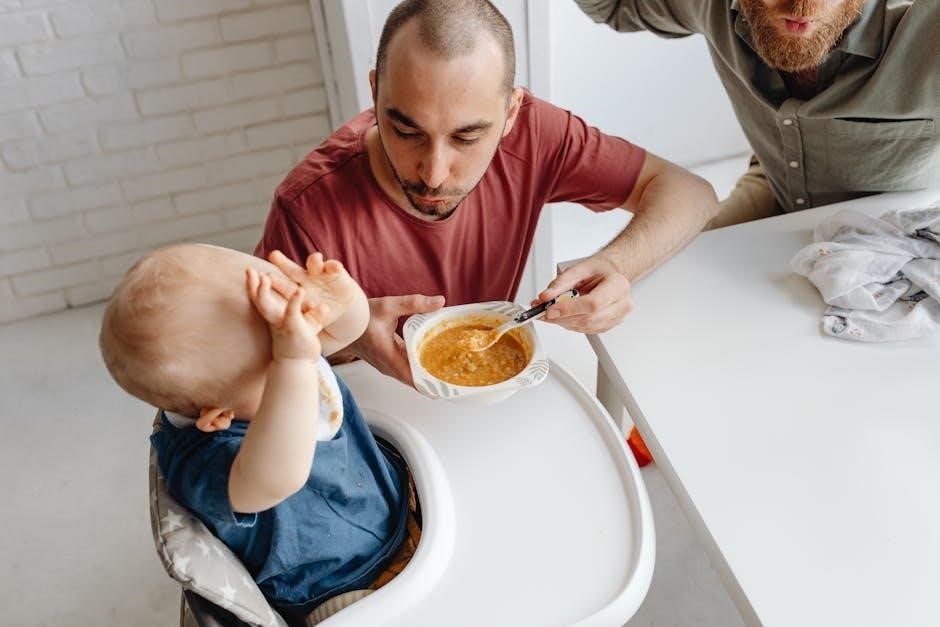
Types of Feeding Tubes
Various feeding tubes exist, each suited to different needs. Common types include nasogastric (NG), gastrostomy (G-Tube), and jejunostomy (J-Tube) options.
Nasogastric (NG) Tube
A nasogastric (NG) tube is temporarily inserted through the nose, traveling down the esophagus and into the stomach. This method is often used for short-term feeding needs or when other options aren’t immediately feasible. NG tubes require careful monitoring to ensure proper placement and prevent complications like nasal irritation or accidental dislodgement.
Regular flushing is essential to maintain patency. While convenient for short-term use, NG tubes aren’t ideal for long-term feeding due to potential discomfort and the risk of sinus infections. Proper care and adherence to healthcare provider instructions are vital for safe and effective NG tube feeding at home.
Gastrostomy (G-Tube)
A gastrostomy (G-tube) involves surgically inserting a tube directly into the stomach through the abdominal wall. This provides a more secure and comfortable long-term feeding option compared to NG tubes. G-tubes require regular cleaning around the insertion site to prevent infection and skin irritation. Daily site inspection is crucial for identifying any signs of redness, swelling, or discharge.
Proper tube care, including flushing and secure dressing changes, is essential. G-tubes allow for greater independence and a better quality of life for individuals requiring long-term nutritional support, but diligent care is paramount.
Jejunostomy (J-Tube)
A jejunostomy (J-tube) involves surgically inserting a tube into the jejunum, a part of the small intestine. This is often used when the stomach isn’t functioning correctly or has issues with emptying. J-tubes typically require a slower feeding rate than G-tubes to allow for proper absorption. Careful monitoring for tolerance is vital, as rapid feeding can lead to discomfort or diarrhea.
Regular flushing is crucial to prevent blockage, and the site requires diligent care. J-tubes are a valuable option for individuals needing specialized nutritional support, demanding consistent attention to detail.

Preparing for Home Tube Feeding
Successful home tube feeding requires a thorough home assessment, gathering necessary supplies, and a complete understanding of the prescribed feeding schedule and formula.
Home Assessment & Setup
Before initiating home tube feeding, a comprehensive assessment of your living space is crucial. Ensure a dedicated, clean, and well-lit area is available for formula preparation and administration.
Verify easy access to running water and electrical outlets. Consider a comfortable chair for the caregiver and a stable surface for the feeding pump, if applicable.
Organize supplies within reach, minimizing the need to leave the feeding area during the process.
Think about storage for formula and supplies, maintaining appropriate temperature and hygiene.
Finally, establish a system for managing and disposing of used feeding supplies safely and efficiently.
Gathering Supplies
Successful home tube feeding relies on having all necessary supplies readily available. This includes the prescribed formula, feeding tubes, and extension sets.
Essential items also encompass syringes for flushing, sterile water, measuring containers, and appropriate cleaning supplies for the tube site.
Stock up on gloves, paper towels, and a basin for hygiene purposes.
A feeding pump, if prescribed, is vital, along with its tubing and power adapter.
Don’t forget to have extra supplies on hand for emergencies or unexpected needs, ensuring uninterrupted feeding.
Understanding Your Prescription
Carefully review your healthcare provider’s instructions regarding the tube feeding prescription. This includes the specific formula type, volume, and rate of delivery.
Pay close attention to the prescribed feeding schedule – whether it’s continuous, bolus, or intermittent.
Understand the total daily caloric and fluid needs, and how to adjust the feed rate if necessary.
Clarify any uncertainties about flushing procedures and medication administration through the tube.
Knowing your prescription details ensures safe and effective tube feeding at home, tailored to the individual’s needs.

Administering Tube Feedings
Proper technique is vital for safe and effective tube feeding. Prioritize hand hygiene, careful formula preparation, and meticulous tube flushing before each feed.
Hand Hygiene & Safety
Maintaining strict hand hygiene is paramount to prevent infection during tube feeding. Thoroughly wash your hands with soap and water for at least 20 seconds before preparing formula and before touching the feeding tube or any related equipment.
Use an alcohol-based hand sanitizer if soap and water aren’t readily available. Ensure the feeding area is clean and disinfected. Always wear gloves when handling the tube or administering feeds, if recommended by your healthcare provider.
Never reuse syringes or feeding bags. Regularly inspect the feeding tube for any signs of damage or leakage. Prioritize a safe and sterile environment to minimize the risk of complications.

Preparing the Formula
Always follow your healthcare provider’s specific instructions for preparing the tube feeding formula. Use only the prescribed formula and concentration. Check the expiration date before each use. If using powdered formula, carefully measure the correct amount of powder and water, ensuring accurate dilution.
Ready-to-use formulas are convenient but still require checking the expiration date. Gently swirl the formula to mix; avoid shaking, which can create bubbles.
Warm the formula to room temperature if desired, but never microwave it. Properly prepared formula is crucial for optimal nutrition and preventing complications.
Flushing the Tube
Regularly flushing the feeding tube is essential to maintain patency and prevent blockages. Before and after each feeding, and at least every four to six hours when feedings are paused, flush the tube with the amount of water prescribed by your healthcare team.
Use a syringe to gently push the water through the tube. If resistance is met, do not force it; consult your healthcare provider.
Flushing helps clear any residual formula and keeps the tube open, ensuring consistent delivery of nutrition. Consistent flushing is a vital part of tube care.
Administering the Feed
Once the tube is flushed, carefully administer the formula at the prescribed rate, typically using a syringe or feeding pump. Elevate the head of the bed to at least 30 degrees to prevent aspiration.
Slowly introduce the formula, monitoring for any signs of discomfort or intolerance, such as distension or vomiting.
Maintain a consistent feeding schedule as directed by your healthcare team. Accurate delivery is crucial for optimal nutrition. Always double-check the formula volume and rate before starting.
Monitoring During Feeding
Vigilantly observe the individual during and immediately after each feeding for any adverse reactions. Look for signs of discomfort, such as abdominal distension, nausea, or vomiting.
Regularly assess the feeding tube site for redness, swelling, or leakage. Monitor for any changes in bowel sounds or stool consistency, noting diarrhea or constipation.
Pay close attention to hydration status, checking for signs of dehydration. Document all observations and report any concerns to your healthcare provider promptly.

Managing Potential Complications
Addressing issues like tube blockage, diarrhea, nausea, or skin irritation promptly is crucial for continued success and comfort with home tube feeding.
Tube Blockage
A blocked feeding tube can be concerning, but often manageable at home. First, gently flush the tube with warm water using a syringe; avoid forceful flushing, which could cause damage. If flushing doesn’t resolve the blockage, try repositioning the patient and gently elevating the head of the bed.
Avoid using wires or sharp objects to clear the tube. If blockage persists despite these measures, or if you notice signs of discomfort or distension, contact your healthcare provider immediately. Regular flushing, as prescribed, helps prevent blockages, and proper formula preparation is also key;
Diarrhea & Constipation
Changes in bowel habits are common with tube feeding. Diarrhea can result from formula intolerance or rapid feed rates; slowing the infusion and consulting your healthcare team is crucial. Conversely, constipation may occur due to insufficient fluid intake or fiber.
Ensure adequate hydration and discuss adding fiber supplements with your doctor. Gentle abdominal massage can also help stimulate bowel movements. Monitor stool consistency and frequency, reporting significant changes to your healthcare provider. Adjusting the formula or feed rate may be necessary to restore normal bowel function.
Nausea & Vomiting
Nausea and vomiting during tube feeding require prompt attention. Potential causes include rapid feed rates, improper formula temperature, or tube placement issues. Slowing the feed rate and ensuring the formula is at room temperature can often alleviate symptoms.
Elevating the head of the bed during and after feeding is also beneficial. If vomiting persists, check the tube for blockage and contact your healthcare team immediately. They may need to assess tube placement or adjust the feeding regimen to prevent dehydration and discomfort.
Skin Irritation Around the Tube Site
Skin irritation around the feeding tube site is common, but preventable with diligent care. Redness, soreness, or discharge indicate a potential problem. Gentle daily cleaning with mild soap and water, followed by thorough drying, is crucial.
Avoid harsh chemicals or scrubbing. If irritation persists, a protective skin barrier film can be applied. Report any signs of infection – increased redness, swelling, pus – to your healthcare provider immediately; Proper site care minimizes discomfort and prevents complications.

Tube Care & Maintenance
Consistent daily cleaning and careful site inspection are vital for preventing infection and ensuring proper function of the feeding tube.
Daily Cleaning
Daily cleaning of the feeding tube insertion site is paramount to prevent infection and maintain skin integrity. Gently wash the area with mild soap and warm water, following your healthcare provider’s specific instructions.
Avoid harsh soaps, alcohol, or hydrogen peroxide, as these can cause irritation. Thoroughly rinse the area and pat it dry with a clean, soft cloth. Inspect the skin around the tube for any signs of redness, swelling, drainage, or tenderness.
If any of these signs are present, contact your healthcare team immediately. Consistent, gentle cleaning is a cornerstone of successful long-term tube feeding.
Site Inspection
Regular site inspection is crucial for identifying potential complications early. Daily, carefully examine the skin surrounding the feeding tube insertion site for any signs of infection or irritation. Look for redness, swelling, increased warmth, or any discharge – these warrant immediate attention.
Ensure the tube is securely in place and hasn’t migrated. Note any pain or discomfort reported by the individual receiving tube feeding.
Document your observations and promptly report any concerns to the healthcare team. Vigilant monitoring contributes significantly to safe and effective home tube feeding.
Tube Replacement (if applicable)
Tube replacement should only be performed by a trained healthcare professional. Never attempt to replace a feeding tube yourself unless specifically instructed and demonstrated by your medical team;
Signs indicating a need for replacement include persistent blockage, significant leakage around the site, or tube dislodgement that cannot be easily corrected.
The healthcare provider will assess the situation and determine the best course of action, which may involve replacing the existing tube with a new one, utilizing established sterile techniques to prevent infection.
Formula Management & Storage
Proper formula storage and handling are vital for safety; follow guidelines closely regarding refrigeration, expiration dates, and calculating daily nutritional needs.
Storage Guidelines
Maintaining proper storage for your tube feeding formula is crucial to prevent bacterial growth and ensure its nutritional integrity. Unopened formula containers should be stored in a cool, dry place, away from direct sunlight and extreme temperatures.
Once opened, most formulas require refrigeration. Always check the specific instructions on the formula packaging, as recommendations can vary. Refrigerated formula is generally good for up to 24 hours.
Avoid freezing formula unless specifically directed by your healthcare provider. Discard any unused, opened formula after the recommended timeframe to minimize the risk of contamination and maintain optimal patient safety.
Calculating Daily Needs
Determining the appropriate daily volume of tube feeding formula requires careful consideration of individual factors, including age, weight, activity level, and underlying medical conditions. Your healthcare provider will establish a personalized prescription outlining the total daily caloric and fluid requirements.
This prescription will specify the volume of formula to administer over a 24-hour period, often divided into bolus feedings or continuous infusion. Regular weight monitoring is essential to assess the adequacy of the feeding plan and make necessary adjustments.
Consult with your dietitian or physician for guidance on calculating and modifying your loved one’s daily nutritional needs.
Adjusting Feed Rates
Adjusting tube feeding rates is often necessary based on individual tolerance and response. Changes should always be made under the guidance of a healthcare professional, considering factors like bowel function, weight changes, and overall clinical status.
Gradual adjustments are crucial; increasing or decreasing the feed rate too quickly can lead to complications like diarrhea, nausea, or abdominal discomfort. Monitor for signs of intolerance, such as bloating, vomiting, or changes in stool consistency;
Document all adjustments and communicate any concerns to your healthcare team promptly.

Travel with Tube Feeding
Careful planning is essential for traveling with tube feeding, including securing adequate supplies, understanding emergency procedures, and obtaining necessary medical documentation.
Planning Ahead
Before embarking on any trip, meticulous preparation is paramount for successful tube feeding while traveling. Begin by confirming the availability of a suitable power source at your destination for any necessary equipment, like a feeding pump.
Pack more than enough formula and supplies to account for potential delays, and always carry a copy of the patient’s prescription and a letter from their healthcare provider detailing the feeding regimen.
Research local medical facilities along your route and at your destination in case of emergencies; Consider the logistics of maintaining sterility during travel and pack appropriate cleaning supplies.
Transporting Supplies
When traveling with tube feeding supplies, prioritize maintaining sterility and temperature control. Utilize a dedicated, insulated cooler bag with ice packs to store formula, ensuring it remains at the prescribed temperature.
Pack all supplies in a carry-on bag to avoid potential loss or damage during checked baggage handling. Include extra tubing, syringes, and cleaning supplies to address unforeseen issues.
Consider using leak-proof containers for formula and clearly label all items for easy identification. Familiarize yourself with TSA regulations regarding medical supplies and carry any necessary documentation.
Emergency Preparedness
Develop a comprehensive emergency plan addressing potential disruptions to tube feeding. Maintain a supply of formula and necessary equipment sufficient for several days, anticipating potential weather events or travel delays.

Know how to manually flush the tube if the pump malfunctions and have a backup method for administering feeds. Carry a list of emergency contact numbers, including your healthcare team and local emergency services.
Familiarize yourself with recognizing signs of complications, like tube blockage, and know how to respond appropriately. Consider a medical alert bracelet indicating tube feeding dependency.
Emotional Support & Resources
Caring for someone with a feeding tube can be stressful; seeking support is vital. Connect with support groups and your healthcare team for guidance.
Dealing with Stress & Anxiety
Adjusting to home tube feeding often brings significant emotional challenges for both the caregiver and the patient. Feelings of stress, anxiety, and even grief are completely normal. It’s crucial to acknowledge these emotions and prioritize self-care.
Remember to take breaks, practice relaxation techniques like deep breathing, and maintain a healthy lifestyle. Don’t hesitate to seek professional counseling or therapy if you’re struggling to cope.
Open communication with family members and friends can also provide valuable support. Sharing your concerns and seeking help when needed is a sign of strength, not weakness.
Connecting with Support Groups
Finding a community of individuals facing similar challenges can be incredibly empowering. Support groups offer a safe space to share experiences, ask questions, and receive encouragement from others who understand.
These groups can provide practical advice, emotional support, and a sense of belonging. Online forums and local organizations often host meetings or virtual gatherings specifically for families and caregivers involved in tube feeding.
Connecting with others can reduce feelings of isolation and provide valuable insights into navigating the complexities of home tube feeding.
When to Contact Your Healthcare Team
Prompt communication with your healthcare team is vital for addressing any concerns or complications. Immediately report signs of infection around the tube site, such as redness, swelling, or drainage.
Seek guidance if you experience persistent tube blockage, difficulty with formula administration, or significant changes in your loved one’s weight or hydration status.
Don’t hesitate to reach out with questions regarding formula adjustments, feeding schedules, or any other aspect of home tube feeding.