
The Village Baker Nutrition PDF details traditional recipes, analyzing their components as of December 30, 2025. It contrasts historical baking with modern nutritional standards.
What is the Village Baker Nutrition PDF?
The Village Baker Nutrition PDF is a comprehensive document dissecting the nutritional content of recipes originating from the “Village Baker” source. It’s a detailed analysis, likely created around December 30, 2025, offering insights into macronutrient and micronutrient breakdowns of traditional breads.
This PDF aims to bridge the gap between historical baking practices and contemporary dietary understanding. It’s not merely a collection of recipes, but a scientific exploration of ingredients like flour, seeds, and sweeteners – honey, molasses, and sugar – and their impact on overall nutritional value. The document likely serves as a resource for those interested in healthier, traditionally-made bread options.
Historical Context of Village Baker Recipes
Village Baker recipes represent a time before mass-produced, commercially-driven breadmaking. Historically, baking centered around locally sourced ingredients and time-honored techniques, prioritizing nourishment and community. These methods, predating modern food science, intuitively focused on digestibility and utilizing whole grains.
The PDF’s analysis likely reveals a stark contrast to today’s processed breads. Traditional recipes, developed without the aid of modern additives, relied on natural fermentation processes like sourdough, enhancing nutrient bioavailability. Understanding this historical context is crucial when interpreting the nutritional data, recognizing a focus on whole foods and simpler ingredient lists.

Key Nutritional Components Analyzed in the PDF
The PDF meticulously examines macronutrients – carbohydrates, proteins, and fats – alongside vital micronutrients like vitamins and minerals present in Village Baker recipes.
Macronutrient Breakdown (Carbohydrates, Proteins, Fats)
The Village Baker Nutrition PDF provides a detailed breakdown of macronutrient content within each recipe. Carbohydrate analysis considers both simple and complex sugars, alongside fiber levels, impacting glycemic response. Protein content is assessed based on flour type and any added seeds or grains.
Fat analysis differentiates between healthy fats from seeds and grains versus those potentially added during preparation. The PDF quantifies each macronutrient per serving, allowing for informed dietary choices. Understanding these ratios is crucial for evaluating the overall nutritional profile of traditional baked goods, especially when compared to commercially produced breads.
Micronutrient Analysis (Vitamins & Minerals)
The Village Baker Nutrition PDF meticulously analyzes the vitamin and mineral content of each recipe, recognizing that whole grains are key sources. It details levels of B vitamins, iron, and magnesium, often present in whole wheat and rye flours. Seed additions contribute vital minerals like zinc and selenium.
The PDF also notes potential micronutrient losses during fermentation or baking. It highlights how traditional methods, utilizing naturally leavened doughs, may enhance bioavailability of certain nutrients. This detailed analysis allows users to understand the micronutrient contributions of Village Baker recipes to a balanced diet.

Analyzing Common Village Baker Recipes
The Village Baker Nutrition PDF examines sourdough, whole wheat, and rye breads, detailing their nutritional profiles and ingredient impacts on overall health benefits.
Sourdough Bread Nutrition
Sourdough bread, a staple in Village Baker recipes, presents a unique nutritional profile due to its fermentation process. This process enhances digestibility and unlocks nutrients, potentially benefiting gut health. The PDF analyzes macronutrient breakdowns – carbohydrates, proteins, and fats – within various sourdough formulations.
Micronutrient analysis reveals vitamin and mineral content, often improved by the fermentation. Compared to commercial breads, sourdough typically boasts a lower glycemic index, impacting blood sugar levels more favorably. The PDF details fiber content, crucial for digestive wellness. Variations in flour type and fermentation duration significantly influence the final nutritional value, as highlighted within the document’s data presentation.
Whole Wheat Bread Nutrition
Whole wheat bread, central to Village Baker’s offerings, provides a rich source of fiber, vitamins, and minerals, as detailed in the nutrition PDF. The document meticulously breaks down macronutrient content – carbohydrates, proteins, and fats – showcasing the benefits of using the entire grain.

Analysis focuses on B vitamins, iron, and magnesium, often higher in whole wheat varieties. The PDF compares nutritional values across different whole wheat recipes, noting impacts from ingredient sourcing and preparation methods. Fiber content is highlighted for its role in digestive health and blood sugar regulation. Serving size interpretations and percentage daily values are clearly presented for informed consumption.
Rye Bread Nutrition
Rye bread, a staple in Village Baker’s repertoire, receives detailed nutritional scrutiny within the PDF; The analysis emphasizes its unique fiber profile, often exceeding that of wheat-based breads, contributing to improved gut health and satiety. Macronutrient breakdowns reveal a complex carbohydrate structure with a potentially lower glycemic index.
The PDF highlights rye’s micronutrient contributions, including manganese, phosphorus, and B vitamins. Variations in rye flour types (light, medium, dark) and their impact on nutritional value are explored. Serving size guidance and percentage daily values are provided, aiding consumers in understanding rye bread’s health benefits within a balanced diet.

Impact of Ingredients on Nutritional Value
Ingredient choices profoundly affect the nutritional profile of Village Baker’s breads, as detailed in the PDF. Flour, seeds, grains, and sweeteners all contribute uniquely.
Flour Types and Their Nutritional Profiles
The Village Baker Nutrition PDF meticulously examines various flour types, highlighting their distinct nutritional contributions. Whole wheat flour, a cornerstone of many recipes, boasts significantly higher fiber content compared to refined white flour, impacting digestibility and blood sugar levels.
Rye flour introduces unique nutrients and a lower glycemic index. The PDF details how different milling processes affect nutrient retention; It also notes variations in protein content across flours, influencing the overall macronutrient breakdown. Understanding these profiles is crucial for assessing the health benefits of each bread variety, as documented within the PDF’s analysis.
The Role of Seeds and Grains
The Village Baker Nutrition PDF emphasizes the substantial nutritional boost provided by incorporating seeds and grains into traditional bread recipes. Seeds like flax, sunflower, and sesame contribute essential fatty acids, fiber, and micronutrients, enhancing the overall health profile.
The PDF details how the addition of grains – such as oats or quinoa – increases protein content and improves texture. It analyzes the impact on digestibility and glycemic response. Variations in seed and grain quantities are noted, influencing the final nutritional value. This detailed assessment highlights their importance in traditional baking, as documented in the PDF.
Impact of Sweeteners (Honey, Molasses, Sugar)
The Village Baker Nutrition PDF meticulously examines the nutritional consequences of different sweeteners used in historic recipes. It contrasts refined sugar with natural alternatives like honey and molasses, detailing their glycemic index variations. The PDF highlights that honey and molasses offer trace minerals absent in processed sugar.
Analysis reveals how sweetener quantities directly affect carbohydrate content and overall caloric density. The document notes that traditional bakers often used sweeteners sparingly, impacting the bread’s health benefits. The PDF provides a comparative breakdown, aiding in understanding the nutritional trade-offs associated with each sweetener choice.

Comparing Village Baker Recipes to Modern Bread
The Village Baker Nutrition PDF contrasts traditional methods with commercial bread, focusing on fiber content, glycemic index, and nutritional density differences as of 2025.
Nutritional Differences: Traditional vs. Commercial
The Village Baker Nutrition PDF highlights significant nutritional disparities between traditionally crafted breads and commercially produced loaves. Traditional recipes, utilizing whole grains and longer fermentation processes, often boast superior nutrient bioavailability. Commercial breads frequently employ refined flours, additives, and rapid production techniques, diminishing their nutritional value.
Specifically, traditional Village Baker breads demonstrate higher levels of essential vitamins and minerals, alongside increased fiber content, contributing to improved digestive health. Conversely, commercial breads may contain added sugars, preservatives, and lack the complex carbohydrate structures found in sourdough or whole wheat varieties. The PDF’s analysis, current as of December 30, 2025, underscores these crucial distinctions for informed dietary choices.
Fiber Content Comparison
The Village Baker Nutrition PDF meticulously compares fiber content across various bread types, revealing substantial differences. Traditional Village Baker recipes, particularly whole wheat and rye breads, consistently exhibit significantly higher fiber levels than their commercially produced counterparts. This is largely attributed to the use of unrefined flours and the inclusion of whole grains.
Fiber, crucial for digestive health and blood sugar regulation, is often stripped during the commercial refining process. The PDF, analyzed as of December 30, 2025, demonstrates that Village Baker breads can provide a substantial portion of daily recommended fiber intake, promoting satiety and overall well-being. This detailed comparison aids consumers in making fiber-conscious bread selections.
Glycemic Index Considerations
The Village Baker Nutrition PDF explores the glycemic index (GI) of traditional breads, revealing generally lower GI values compared to mass-produced options. Sourdough, a cornerstone of Village Baker recipes, often exhibits a lower GI due to the fermentation process, which alters carbohydrate structure. Whole wheat and rye breads also demonstrate favorable GI profiles.
Analyzing data current as of December 30, 2025, the PDF highlights how slower carbohydrate absorption impacts blood sugar levels. Lower GI foods promote sustained energy and improved metabolic health. The PDF’s findings suggest Village Baker breads can be a beneficial choice for individuals managing blood sugar or seeking sustained energy.

Health Benefits of Village Baker Nutrition
The Village Baker Nutrition PDF suggests improved digestibility, gut health, and blood sugar control from traditional recipes, as analyzed on December 30, 2025.
Digestibility and Gut Health
The Village Baker Nutrition PDF highlights how traditional breadmaking, particularly sourdough, fosters better digestibility. Long fermentation processes pre-digest starches and gluten, easing the burden on the digestive system. This contrasts sharply with rapid commercial methods.
Furthermore, the PDF suggests that naturally occurring yeasts and bacteria in Village Baker recipes contribute to a healthier gut microbiome. These microorganisms promote a diverse and balanced gut flora, crucial for nutrient absorption and overall well-being. The analysis, current as of December 30, 2025, emphasizes the potential benefits of these traditional techniques for individuals with sensitivities or digestive issues.
Impact on Blood Sugar Levels
The Village Baker Nutrition PDF examines how traditional bread recipes influence blood glucose responses. Sourdough fermentation, a key element, lowers the glycemic index compared to commercially produced bread. This slower release of glucose prevents spikes and crashes, promoting stable energy levels.
The PDF, analyzed as of December 30, 2025, details how whole grains and fiber content further contribute to blood sugar control. These components slow down carbohydrate absorption, improving insulin sensitivity. The document suggests Village Baker breads may be a preferable option for individuals managing diabetes or seeking to optimize metabolic health.
Potential Allergen Information
The Village Baker Nutrition PDF highlights common allergens present in traditional recipes. Wheat is a primary concern for those with gluten sensitivities or celiac disease, detailed in the document as of December 30, 2025. Recipes utilizing seeds and grains may also trigger allergies in susceptible individuals.
The PDF notes potential cross-contamination risks during ingredient sourcing and preparation. While honey and molasses are generally well-tolerated, sensitivities can occur. It’s crucial for consumers with known allergies to carefully review ingredient lists and consider potential reactions before consumption, prioritizing personal health safety.

Understanding the PDF’s Data Presentation
The Village Baker Nutrition PDF decodes nutritional labels, serving sizes, and percentage daily values as of December 30, 2025, for informed dietary choices.
Decoding Nutritional Labels
Understanding the nutritional labels within the Village Baker Nutrition PDF requires careful attention. These labels, mirroring standard formats, detail macronutrient breakdowns – carbohydrates, proteins, and fats – per serving. Crucially, examine the listed vitamins and minerals, noting their quantities in milligrams or micrograms.
Pay close attention to the “Daily Value” percentages; these indicate how much a serving contributes to a 2,000-calorie diet. Remember that ingredient sourcing impacts these values, and recipe variations can alter the final nutritional profile. The PDF, dated December 30, 2025, provides a snapshot, but updates may occur.
Interpreting Serving Sizes
Accurately interpreting serving sizes is vital when using the Village Baker Nutrition PDF. The PDF, as of December 30, 2025, defines a serving based on typical bread slice weights or loaf portions. However, homemade bread sizes vary! Don’t assume a standard slice; weigh or measure to match the PDF’s specifications.
Nutritional information is per serving, so consuming more significantly alters intake. Consider the context – a larger slice means proportionally higher calories, carbs, and nutrients. Misinterpreting serving sizes leads to inaccurate dietary assessments. Always double-check against your actual portion size for precise tracking.
Understanding Percentage Daily Values
The Village Baker Nutrition PDF utilizes Percentage Daily Values (%DV) based on a 2,000-calorie diet (as of December 30, 2025). %DV indicates how much a nutrient in a serving contributes to daily needs. A higher %DV signifies a greater contribution. However, individual requirements vary based on age, sex, and activity level.
Don’t solely rely on %DV; focus on absolute nutrient amounts. A food with 20% DV of fiber is beneficial, but the actual fiber grams matter more. %DV is a guide, not a strict limit. Use it to compare similar foods and make informed choices aligning with your personal dietary goals.
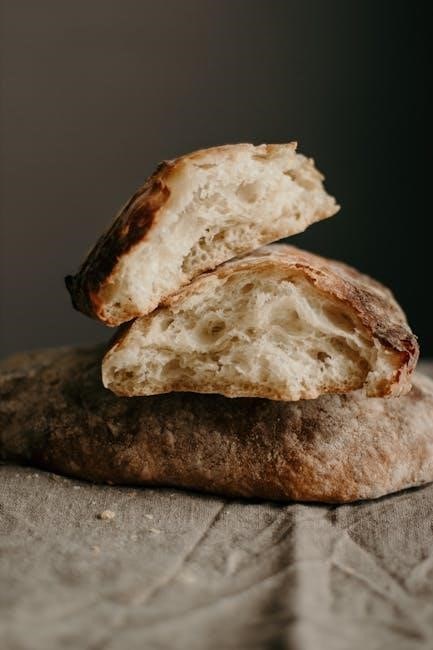
Limitations of the Village Baker Nutrition PDF
The Village Baker Nutrition PDF’s accuracy depends on recipe variations and ingredient sourcing (as of December 30, 2025). Updates are crucial for evolving nutritional data.
Recipe Variations and Accuracy
The Village Baker Nutrition PDF presents nutritional data based on specific recipes, but inherent variations exist. Traditional baking often relies on imprecise measurements and family adaptations, impacting final nutrient profiles. Ingredient substitutions, even seemingly minor ones, can significantly alter carbohydrate, fat, and protein content.
Furthermore, the PDF’s accuracy is limited by the standardization of recipes. Regional differences and baker interpretations introduce inconsistencies. Therefore, the provided nutritional information should be considered an estimate, not an absolute value. Users should acknowledge these potential discrepancies when applying the data to their dietary needs, especially considering the date of December 30, 2025.
Ingredient Sourcing and Quality
The Village Baker Nutrition PDF’s analysis assumes a baseline ingredient quality, but sourcing dramatically impacts nutritional value. Flour milled from heritage grains differs significantly from commercially processed varieties. Organic ingredients may exhibit higher vitamin and mineral concentrations compared to conventionally grown counterparts.
Similarly, the origin and processing of sweeteners like honey or molasses influence their nutrient profiles. The PDF doesn’t account for these variations, potentially skewing results. Considering the data’s relevance as of December 30, 2025, ingredient availability and quality fluctuations further complicate accurate nutritional assessment. Therefore, ingredient origin matters.
PDF Date and Potential Updates
The Village Baker Nutrition PDF, dated December 30, 2025, presents a snapshot of nutritional information at that specific time. Nutritional science and ingredient databases evolve constantly. Updates to recommended daily values or new research on grain composition could render portions of the PDF outdated.
Furthermore, recipe variations and evolving ingredient sourcing practices necessitate periodic revisions. Without regular updates, the PDF’s accuracy diminishes. Users should consider this date when interpreting the data and seek supplementary, current nutritional resources for the most reliable information. Checking for revised editions is crucial.

Resources for Further Nutritional Information
Explore dietary guidelines, websites like Knowledgable platforms (e.g., Zhihu), and consider consulting a registered dietitian for personalized nutritional analysis and advice.
Recommended Dietary Guidelines
Understanding current dietary recommendations is crucial when evaluating the Village Baker Nutrition PDF. Focus on guidelines promoting whole grains, fiber intake, and balanced macronutrient ratios. Resources like those from health organizations emphasize limiting added sugars and prioritizing nutrient-dense foods.
Consider the PDF’s nutritional data within the context of daily recommended values for vitamins and minerals. Pay attention to serving sizes and percentage daily values to assess how Village Baker recipes fit into a healthy eating pattern. Remember that individual needs vary based on age, activity level, and overall health status.
Utilize these guidelines to make informed choices about incorporating traditional baked goods into your diet, balancing enjoyment with nutritional well-being.
Websites for Nutritional Analysis
Several online resources can supplement the Village Baker Nutrition PDF’s data. Websites like the USDA FoodData Central ([https://fdc.nal.usda.gov/](https://fdc.nal.usda.gov/)) provide comprehensive nutritional information for various ingredients.
Additionally, tools like MyFitnessPal or Cronometer allow users to input recipes and calculate nutritional breakdowns, verifying the PDF’s findings or adjusting for ingredient variations. These platforms often include detailed micronutrient analysis.
Remember to cross-reference information and consider the source’s reliability. Utilizing multiple websites ensures a more accurate understanding of the nutritional content within Village Baker recipes, aiding informed dietary choices.
Consulting a Registered Dietitian
While the Village Baker Nutrition PDF offers valuable insights, personalized dietary advice requires professional expertise. A Registered Dietitian (RD) can interpret the PDF’s data in relation to individual health needs and goals.
RDs can assess potential allergen concerns, tailor recipes for specific dietary restrictions (like gluten-free or low-sugar), and provide guidance on incorporating Village Baker breads into a balanced diet.
They offer a nuanced understanding beyond general nutritional information, considering factors like digestive health and blood sugar control. Consulting an RD ensures safe and effective utilization of the PDF’s nutritional analysis.